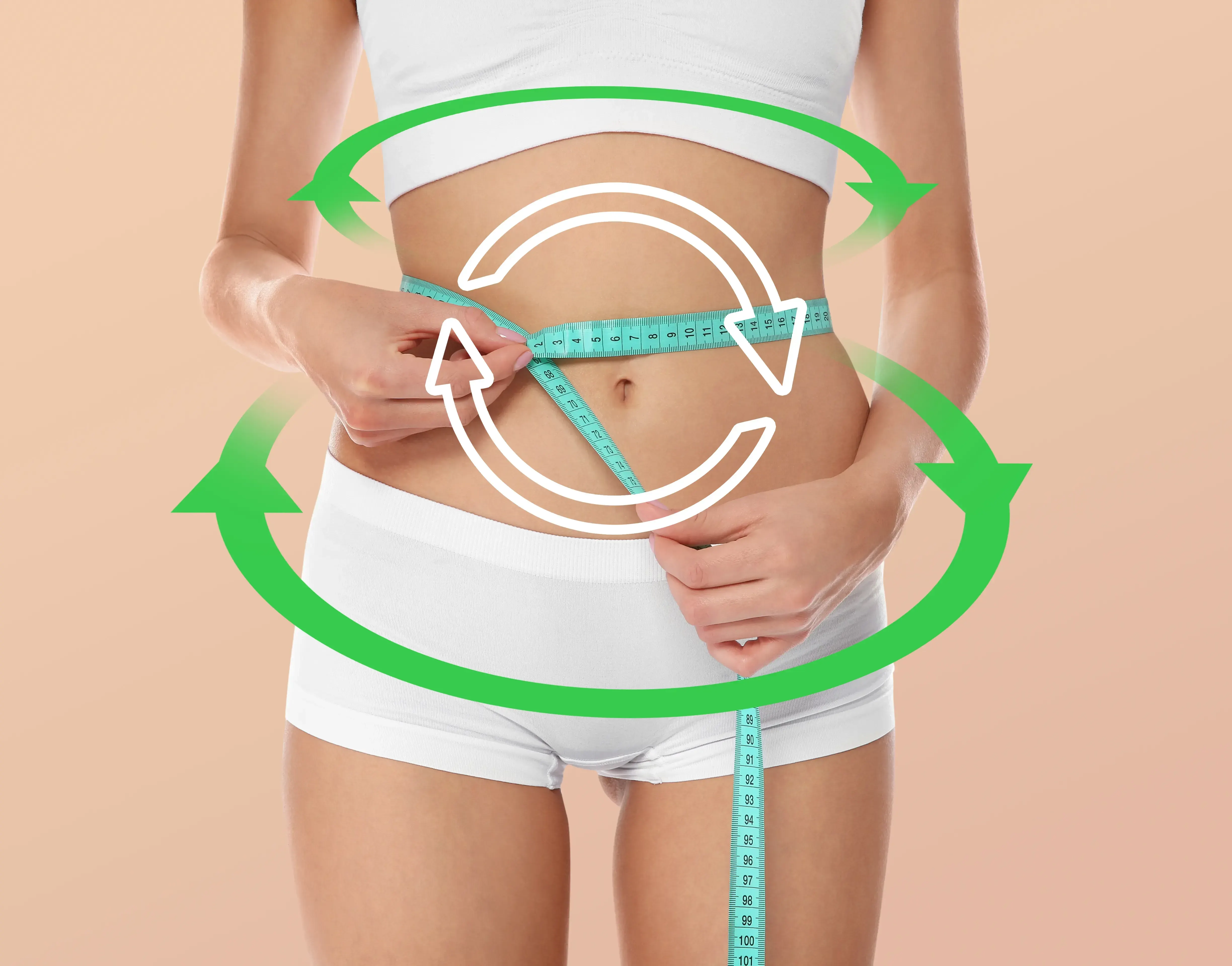


Patient discussing slow metabolism concerns with physician at WinMind Integrative Health Lutz

Slow Metabolism Treatment in Lutz, FL

Reignite Your Body's Natural Energy

Common In:Adults 30+
Primary Causes:Hormones, Aging, Lifestyle
Treatment Time:30-60 minutes
Results:4-12 weeks
Understanding slow metabolism and metabolic health at WinMind Integrative Health Lutz

What Is Slow Metabolism?

Recognizing the Signs

A slow metabolism, clinically referred to as a reduced basal metabolic rate (BMR), describes a condition in which your body converts food into energy less efficiently than expected. Slow metabolism treatment in Lutz, FL at WinMind Integrative Health addresses the complex interactions between thyroid function, hormonal signaling, muscle mass composition, and cellular energy production that collectively determine how many calories your body burns at rest.

When you notice that weight seems to accumulate despite eating the same foods you always have, or when you feel persistently sluggish even after a full night of rest, you may be experiencing the effects of a slowed metabolic rate. A physician-led medical weight loss evaluation can identify the specific factors driving your metabolic slowdown and guide an effective treatment plan.

The frustration of a slow metabolism extends beyond the scale. Many individuals find themselves avoiding social gatherings, feeling self-conscious about gradual weight changes, or struggling with low energy that affects their productivity and enjoyment of daily activities. Targeted interventions such as peptide therapy may help support cellular metabolism and restore your body's natural energy production.

Illustration of metabolic processes and hormonal regulation at WinMind Integrative Health Lutz

Why Slow Metabolism Happens

Understanding the Root Causes

Your basal metabolic rate accounts for approximately 60-75% of your total daily energy expenditure, representing the calories your body burns simply to maintain essential functions like breathing, circulation, and cellular repair. Research shows that BMR naturally declines by roughly 1-2% per decade after age 20, a process accelerated by loss of metabolically active lean muscle tissue. The Mayo Clinic explains how metabolism affects weight and what factors influence your metabolic rate.

When muscle mass decreases through aging, inactivity, or repeated caloric restriction, your body requires fewer calories to sustain itself. This creates a compounding cycle: fewer calories burned leads to easier fat accumulation, which further displaces metabolically active tissue and drives the metabolic rate even lower.

Hormonal regulation plays a central role in metabolic function. Thyroid hormones, particularly triiodothyronine (T3), directly control the rate of cellular energy production. When thyroid output diminishes or hormone signaling becomes disrupted by factors such as stress, insulin resistance, or sex hormone imbalances, the entire metabolic system downshifts accordingly.


Diagram showing adaptive thermogenesis and metabolic adaptation at WinMind Integrative Health

Adaptive Thermogenesis & Metabolic Resistance

How Your Body Resists Weight Loss

Adaptive thermogenesis is a well-documented phenomenon in which the body reduces its energy expenditure beyond what would be predicted by changes in body composition alone. Research published in the American Journal of Clinical Nutrition demonstrates that this metabolic adaptation can persist for years after weight loss, making it increasingly difficult for the body to maintain a reduced weight.

This adaptive response involves multiple systems working in concert: leptin levels drop signaling energy scarcity, thyroid hormone conversion from inactive T4 to active T3 slows, and sympathetic nervous system activity decreases. The result is a body that becomes remarkably efficient at conserving energy, burning 200-300 fewer calories per day than predicted based on body size alone. Hormone optimization therapy can help counteract these adaptive mechanisms by restoring thyroid and sex hormone levels to support metabolic function.

Compounding this metabolic resistance, age-related sarcopenia, the gradual loss of skeletal muscle mass, reduces the body's primary calorie-burning tissue. Adults can lose 3-8% of muscle mass per decade after age 30, and this decline accelerates significantly after 60, creating a progressive metabolic slowdown that standard diet approaches often fail to address.

Lifestyle factors affecting metabolic rate at WinMind Integrative Health Lutz

What Slows Your Metabolism?

Identifying Your Triggers

01

Hormonal Imbalances

Thyroid dysfunction, declining sex hormones, and elevated cortisol levels directly reduce cellular energy production and shift the body toward fat storage over fat burning.

02

Age-Related Muscle Loss

Sarcopenia reduces metabolically active lean tissue by 3-8% per decade after age 30, progressively lowering resting calorie expenditure with each passing year.

03

Chronic Dieting

Repeated cycles of caloric restriction trigger adaptive thermogenesis, training the body to operate on fewer calories and making each subsequent weight loss attempt more difficult.

04

Sedentary Lifestyle

Physical inactivity accelerates muscle loss and reduces non-exercise activity thermogenesis (NEAT), the calories burned through daily movement and fidgeting.

05

Insulin Resistance

Impaired insulin signaling disrupts the body's ability to efficiently convert glucose into usable energy, promoting fat storage and reducing metabolic flexibility.

06

Sleep Deprivation

Chronic poor sleep disrupts growth hormone release, increases hunger hormones like ghrelin, and impairs the metabolic recovery processes that occur during deep rest.

WinMind Integrative Health clinic interior in Lutz Florida

Why Choose WinMind for Slow Metabolism Treatment

Expert Care in Lutz

  • Metabolic Expertise
  • Root-Cause Diagnostics
  • Targeted Interventions
  • Long-Term Support

Treatment Options Comparison

Finding Your Best Approach

Treatment Best For Session Time Results Timeline Maintenance
Medical Weight Loss Comprehensive metabolic optimization 45-60 min 4-8 weeks Monthly follow-ups
Peptide Therapy Cellular metabolism support 15-30 min 4-12 weeks Ongoing protocol
Hormone Replacement Therapy Hormonal metabolic restoration 30-45 min 4-8 weeks Quarterly monitoring
Person concerned about slow metabolism symptoms at WinMind Integrative Health

You May Be Experiencing Slow Metabolism If...

Recognizing When to Seek Help

  • Unexplained Weight Gain
  • Persistent Fatigue
  • Difficulty Losing Weight
  • Feeling Cold Frequently
  • Digestive Sluggishness
  • Brain Fog and Mood Changes

Frequently Asked Questions

About Slow Metabolism

01 Can I actually speed up a slow metabolism?

Yes, with the right medical approach. Building lean muscle mass, optimizing thyroid and hormone levels, and addressing insulin resistance can all meaningfully increase your resting metabolic rate. A physician-guided program ensures you target the specific factors affecting your metabolism.

02 How do I know if my metabolism is truly slow or if something else is going on?

A comprehensive metabolic evaluation including thyroid panel, hormone levels, fasting insulin, and body composition analysis helps distinguish a genuinely slow metabolism from other conditions. Dr. Tirthala uses targeted diagnostics to identify your specific metabolic profile.

03 Does age-related metabolic slowdown mean weight gain is inevitable?

While metabolism naturally declines with age, this process is not irreversible. Preserving and building lean muscle mass, optimizing hormonal balance, and maintaining metabolic flexibility through proper nutrition can significantly counteract age-related metabolic decline.

04 How does hormone imbalance affect metabolism?

Thyroid hormones directly regulate cellular energy production, while sex hormones like testosterone and estrogen influence muscle mass and fat distribution. Cortisol imbalances promote fat storage. Hormone Replacement Therapy may be recommended when testing reveals hormonal contributors to metabolic dysfunction.

05 Will crash dieting make my metabolism worse?

Repeated cycles of severe caloric restriction trigger adaptive thermogenesis, where your body learns to function on fewer calories. This metabolic adaptation can persist long after the diet ends, making each subsequent weight loss attempt harder. Our Medical Weight Loss program avoids this trap with sustainable, medically supervised approaches.

06 How quickly will I see improvement in my metabolic health?

Many patients notice improvements in energy levels within two to four weeks of starting a targeted metabolic program. Measurable changes in body composition and metabolic markers typically develop over eight to 12 weeks with consistent adherence to your personalized treatment plan.

07 Can slow metabolism and insulin resistance be related?

Absolutely. Insulin resistance impairs the body's ability to efficiently use glucose for energy, promoting fat storage and reducing metabolic flexibility. These conditions frequently coexist and share common root causes including hormonal imbalances, inflammation, and sedentary habits.

Location2943 Allegra Way
Lutz, FL, 33559

Schedule Your Consultation

Scientific References