


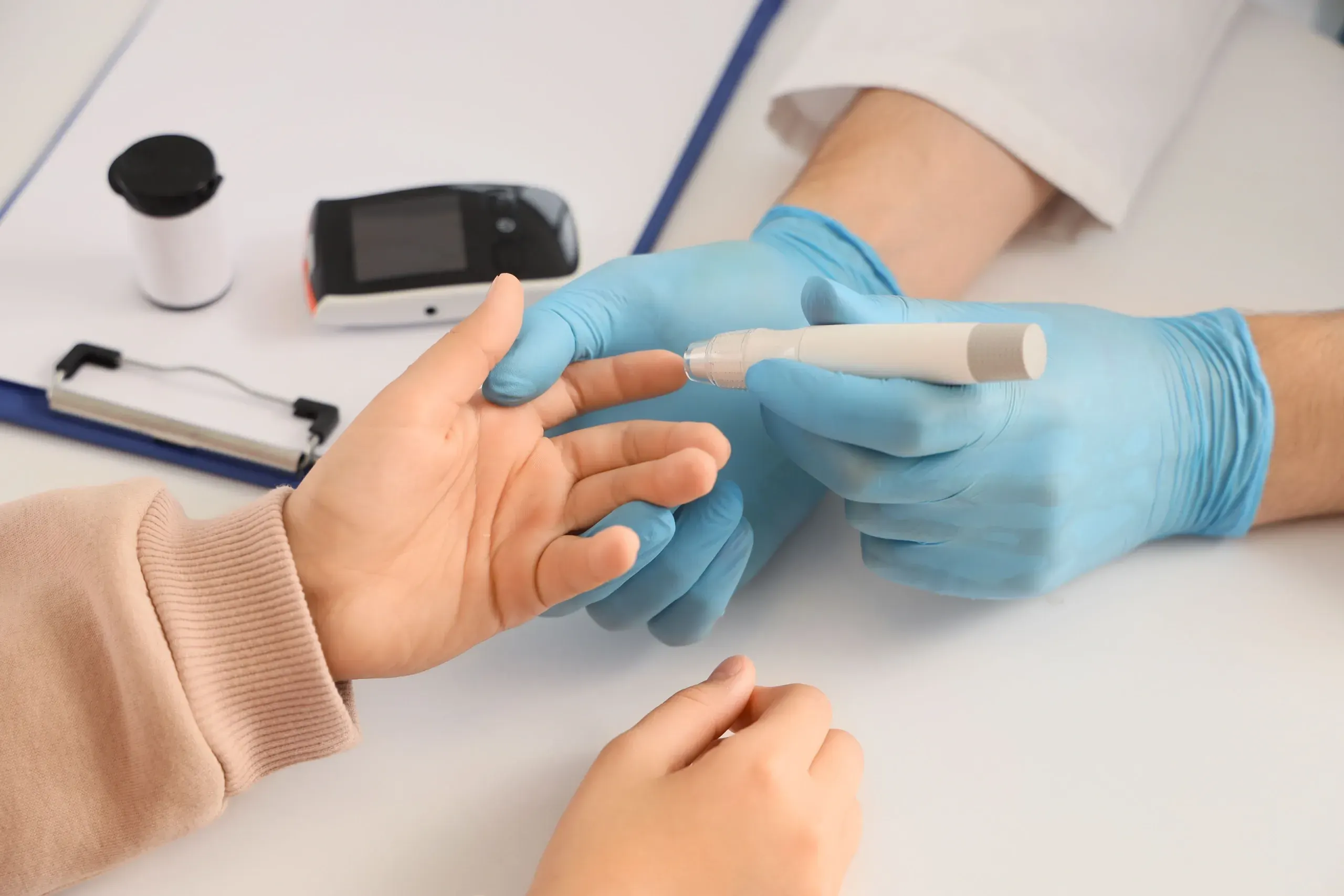
Patient discussing insulin resistance treatment at WinMind Integrative Health Lutz

Insulin Resistance Treatment in Lutz, FL

Restore Your Metabolic Balance

Common In:Adults 30+
Primary Causes:Obesity, Inactivity, Genetics
Treatment Time:Ongoing Management
Results:4-12 Weeks
Understanding insulin resistance and metabolic health at WinMind Integrative Health

What Is Insulin Resistance?

Recognizing the Signs

Insulin resistance is a metabolic condition in which your body's cells become less responsive to the hormone insulin, impairing their ability to absorb glucose from the bloodstream. At WinMind Integrative Health in Lutz, FL, Dr. Tirthala provides expert insulin resistance treatment through advanced metabolic diagnostics and evidence-based medical therapies tailored to your unique physiology.

When you notice persistent fatigue after meals, unexpected weight gain around your midsection, or difficulty losing weight despite consistent effort, you may be experiencing the hallmark signs of insulin resistance. These symptoms often develop gradually, making the condition easy to overlook until it significantly affects your daily energy and well-being. Modern treatment options including GLP-1 medications can help restore your body's insulin sensitivity and support sustainable metabolic improvement.

Many patients describe feeling "stuck" in a cycle of cravings, energy crashes, and frustration with weight management. The condition affects an estimated 40% of adults aged 18 to 44, and left unaddressed, insulin resistance can progress to prediabetes, type 2 diabetes, and cardiovascular disease. Women with PCOS are especially susceptible, as insulin resistance is a central driver of polycystic ovary syndrome.

Illustration of insulin resistance metabolic pathways at WinMind Integrative Health Lutz

Why Insulin Resistance Happens

Understanding the Root Causes

Healthy insulin signaling depends on a precise cascade of molecular events. When insulin binds to cell surface receptors, it activates the PI3K/Akt pathway, which triggers glucose transporter proteins (GLUT4) to move to the cell membrane and allow glucose entry. In insulin-resistant individuals, this signaling pathway becomes impaired, reducing glucose uptake by approximately 30-50% in skeletal muscle alone. The American Diabetes Association identifies insulin resistance as a key precursor to type 2 diabetes and metabolic syndrome.

Excess visceral adipose tissue releases pro-inflammatory cytokines such as TNF-alpha and interleukin-6, which interfere with insulin receptor substrate proteins (IRS-1 and IRS-2). This chronic low-grade inflammation disrupts the normal insulin signaling cascade, creating a self-reinforcing cycle where impaired glucose metabolism leads to further fat accumulation and worsening resistance.

The pancreatic beta cells initially compensate by producing more insulin, but over time this sustained demand leads to beta-cell exhaustion. When the pancreas can no longer maintain adequate insulin output to overcome cellular resistance, blood glucose levels begin to rise, marking the transition from insulin resistance to prediabetes and eventually type 2 diabetes. This progressive metabolic decline often contributes to persistent weight gain that resists conventional dietary approaches.
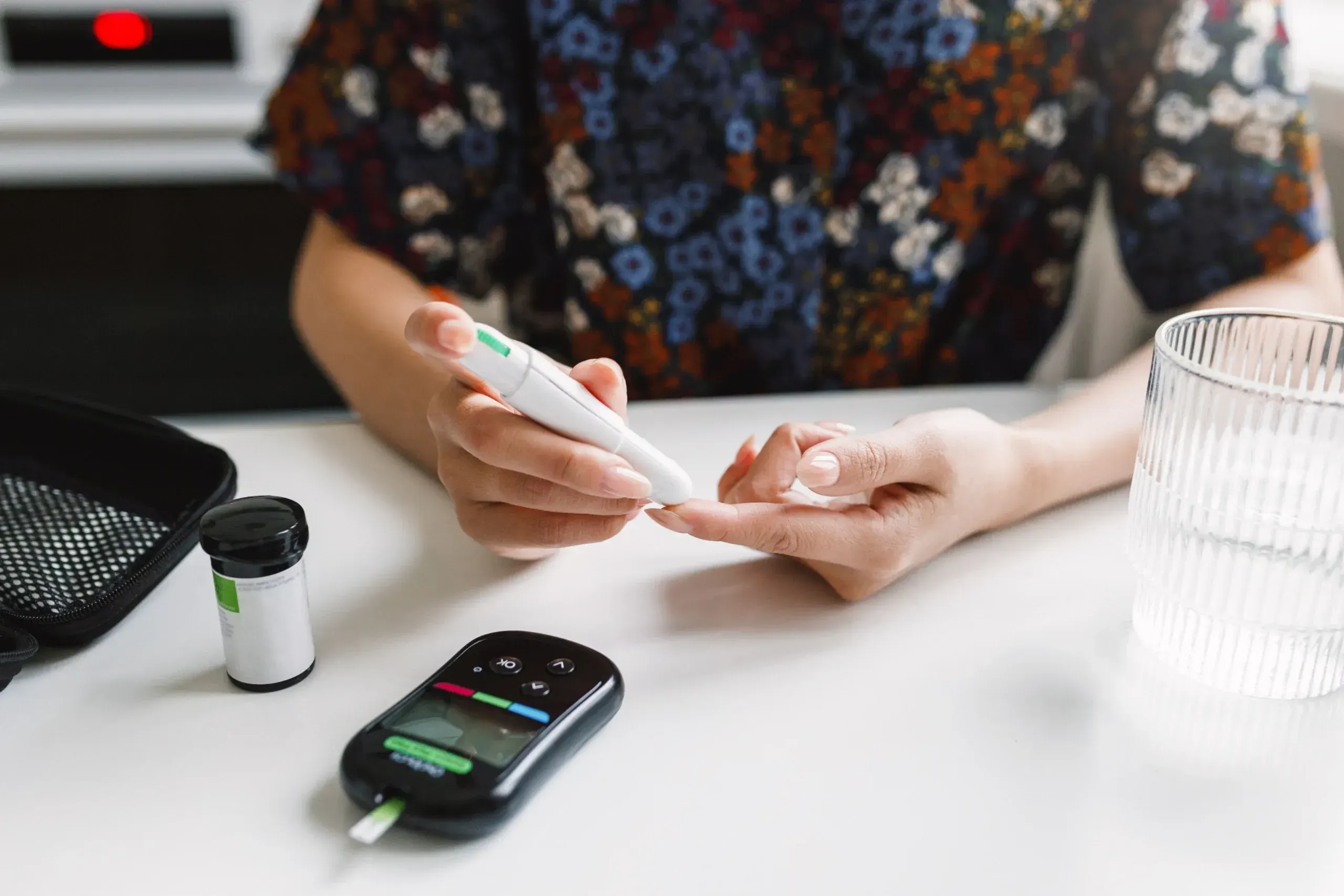

Diagram showing metabolic syndrome connections at WinMind Integrative Health

Metabolic Syndrome Connection

How Insulin Resistance Affects Your Whole Body

Insulin resistance rarely exists in isolation. It serves as the central driver of metabolic syndrome, a cluster of interconnected conditions that includes elevated blood pressure, high triglycerides, low HDL cholesterol, increased waist circumference, and elevated fasting glucose. Research estimates that approximately 1.54 billion adults worldwide now meet criteria for metabolic syndrome, with insulin resistance at its core.

Hyperinsulinemia, the elevated insulin state that accompanies insulin resistance, promotes sodium retention in the kidneys and stimulates the sympathetic nervous system, contributing to hypertension. It also drives hepatic lipogenesis, the process by which the liver converts excess glucose into triglycerides, leading to dyslipidemia and non-alcoholic fatty liver disease (NAFLD). A physician-led medical weight loss program can address these interconnected metabolic factors through comprehensive diagnostic evaluation and targeted treatment.

The systemic inflammation associated with insulin resistance extends beyond metabolism, affecting cardiovascular health through endothelial dysfunction, promoting a prothrombotic state that increases clotting risk, and elevating uric acid levels. These interconnected effects explain why addressing insulin resistance early can have far-reaching benefits for overall health.

Lifestyle factors affecting insulin resistance at WinMind Integrative Health Lutz

What Accelerates Insulin Resistance?

Identifying Your Triggers

01

Excess Visceral Fat

Abdominal fat tissue releases inflammatory cytokines and free fatty acids that directly impair insulin receptor signaling in muscle and liver cells.

02

Sedentary Lifestyle

Physical inactivity reduces GLUT4 transporter expression in skeletal muscle, decreasing your body's capacity to absorb glucose even when insulin levels are adequate.

03

Dietary Patterns

Diets high in refined carbohydrates, added sugars, and processed foods cause repeated insulin spikes that gradually desensitize cellular insulin receptors over time.

04

Chronic Stress

Sustained cortisol elevation from ongoing stress promotes visceral fat storage and directly antagonizes insulin action, raising blood sugar levels independently of diet.

05

Hormonal Imbalances

Declining estrogen and testosterone levels during aging reduce insulin sensitivity, with significant changes occurring during perimenopause, menopause, and andropause.

06

Sleep Disruption

Poor sleep quality and insufficient sleep duration alter glucose metabolism and increase cortisol production, with even one week of sleep restriction measurably reducing insulin sensitivity.

WinMind Integrative Health clinic interior in Lutz Florida

Why Choose WinMind for Insulin Resistance Treatment

Expert Care in Lutz

  • Triple Board-Certified
  • Advanced Diagnostics
  • Personalized Protocols
  • Ongoing Monitoring

Treatment Options Comparison

Finding Your Best Approach

Treatment Best For Session Time Results Timeline Maintenance
Medical Weight Loss Comprehensive metabolic reset 30-60 min visits 4-8 weeks Monthly follow-ups
GLP-1 Weight Loss Program Appetite and glucose control 15-30 min visits 4-12 weeks Weekly injections
Semaglutide Weight Loss Steady weight reduction 15-20 min visits 8-12 weeks Weekly injections
Tirzepatide Weight Loss Dual-action insulin sensitivity 15-20 min visits 4-8 weeks Weekly injections
Person concerned about insulin resistance symptoms at WinMind Integrative Health

You May Be Experiencing Insulin Resistance If...

Recognizing When to Seek Help

  • Persistent Fatigue
  • Stubborn Belly Fat
  • Intense Sugar Cravings
  • Brain Fog
  • Skin Changes
  • Frustrating Lab Results

Frequently Asked Questions

About Insulin Resistance

01 Can I reverse insulin resistance?

In many cases, yes. Research from the Diabetes Prevention Program shows that lifestyle modifications combined with medical intervention can reduce diabetes risk by up to 58%. Dr. Tirthala develops personalized plans that target the root causes of your insulin resistance for meaningful, lasting improvement.

02 How do I know which treatment is right for my insulin resistance?

A comprehensive metabolic assessment evaluates your fasting insulin, glucose, hemoglobin A1c, lipid profile, and other biomarkers to determine the severity and contributing factors. Based on these results, Dr. Tirthala recommends the most effective approach for your specific situation.

03 How quickly will I see improvement in my metabolic markers?

Many patients notice improvements in energy, cravings, and well-being within four to six weeks. Measurable changes in fasting glucose, insulin levels, and hemoglobin A1c typically appear within eight to 12 weeks of consistent treatment and lifestyle modification.

04 Is insulin resistance the same as diabetes?

No, but insulin resistance is a precursor to type 2 diabetes. In insulin resistance, your body still produces insulin but cells respond poorly to it. With early intervention, many patients can improve their insulin sensitivity and significantly reduce their risk of progressing to diabetes.

05 Can GLP-1 medications help with insulin resistance specifically?

Yes. GLP-1 receptor agonists like semaglutide and tirzepatide improve insulin sensitivity through multiple mechanisms, including weight reduction, reduced inflammation, and direct effects on glucose metabolism. Clinical studies show tirzepatide improves insulin sensitivity beyond what weight loss alone would explain.

06 What lifestyle changes support insulin resistance treatment?

Regular physical activity, a balanced diet emphasizing whole foods and adequate protein, quality sleep, and stress management all improve insulin sensitivity. Dr. Tirthala incorporates evidence-based lifestyle medicine strategies alongside medical therapies for comprehensive metabolic improvement.

07 Does stress really affect insulin resistance?

Yes. Chronic stress elevates cortisol, which directly opposes insulin action and promotes visceral fat storage. Cortisol-driven insulin resistance is one reason some patients struggle with metabolic health despite reasonable diet and exercise habits. Addressing stress is an important component of treatment.

08 When should I see a doctor about possible insulin resistance?

Consider a professional evaluation if you have a family history of diabetes, carry excess weight around your midsection, experience persistent fatigue or sugar cravings, or if routine blood work shows rising fasting glucose or triglyceride levels. Early detection allows for more effective intervention.

Location2943 Allegra Way
Lutz, FL, 33559

Schedule Your Consultation

Scientific References